PTFE Coated Glass Fabric vs PTFE Coated p-Aramid Fabric
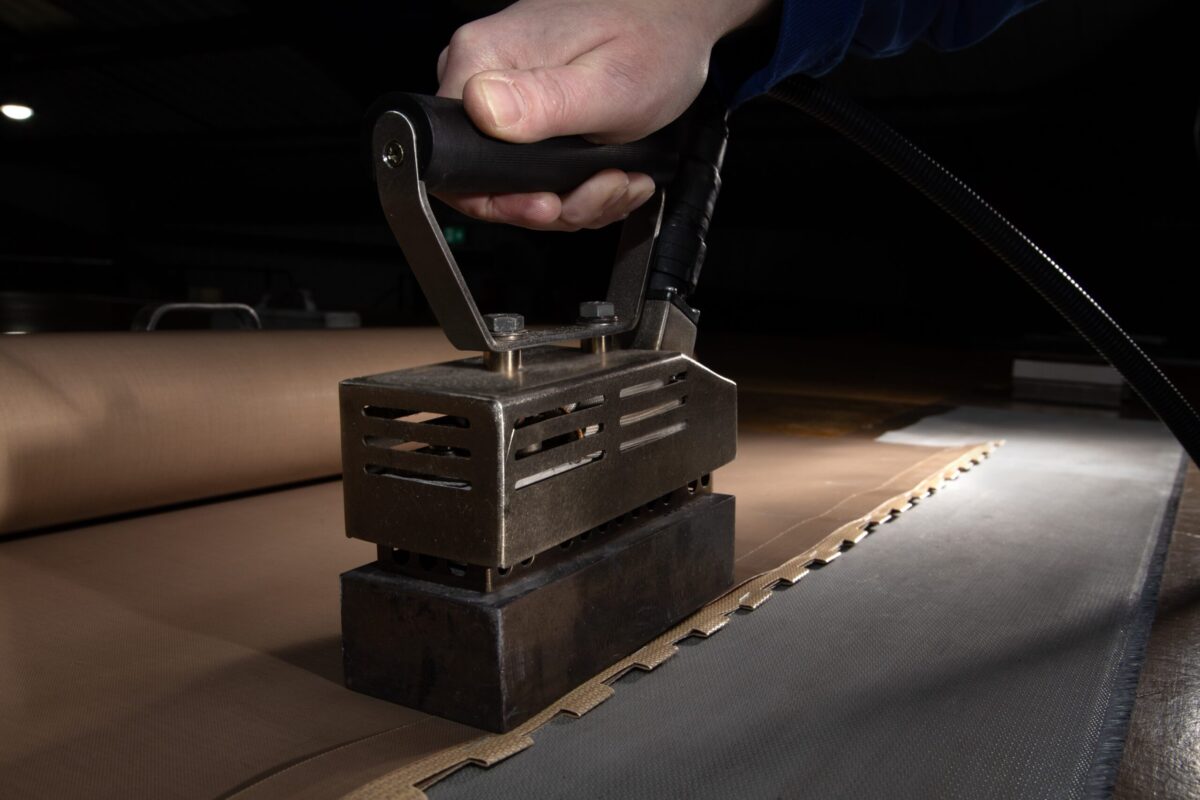
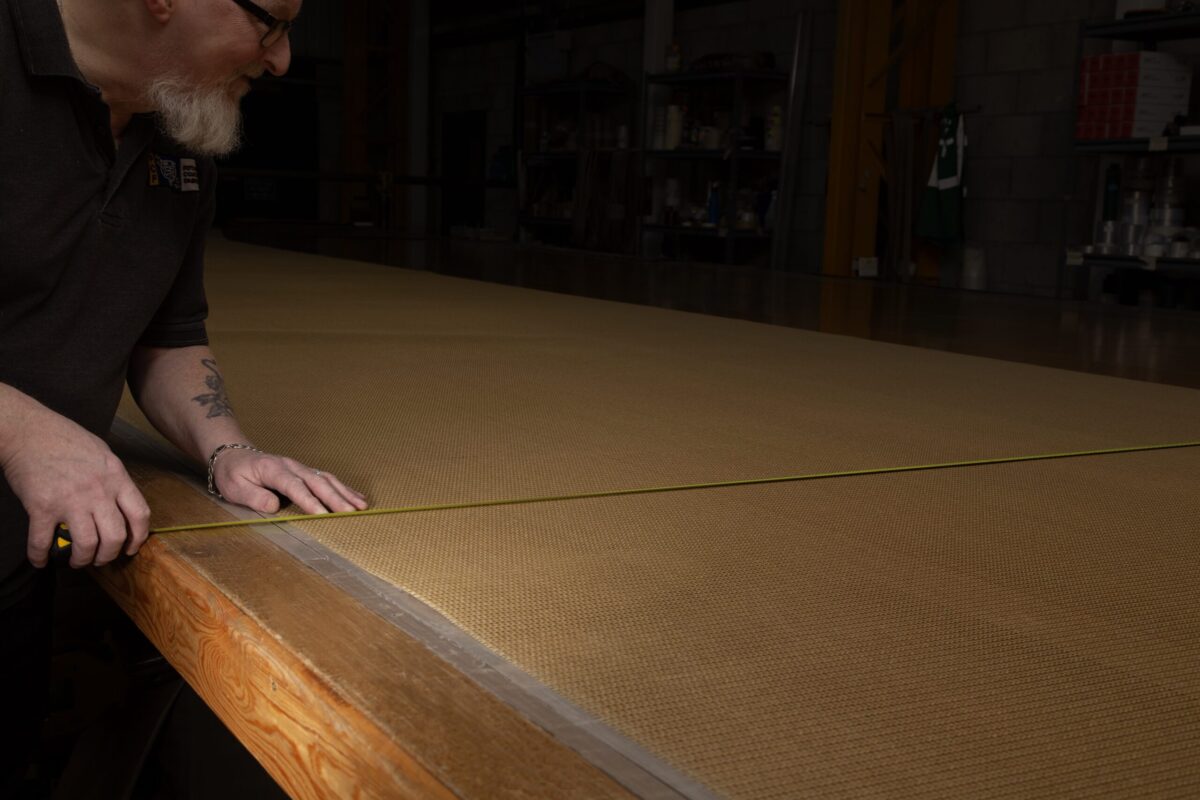
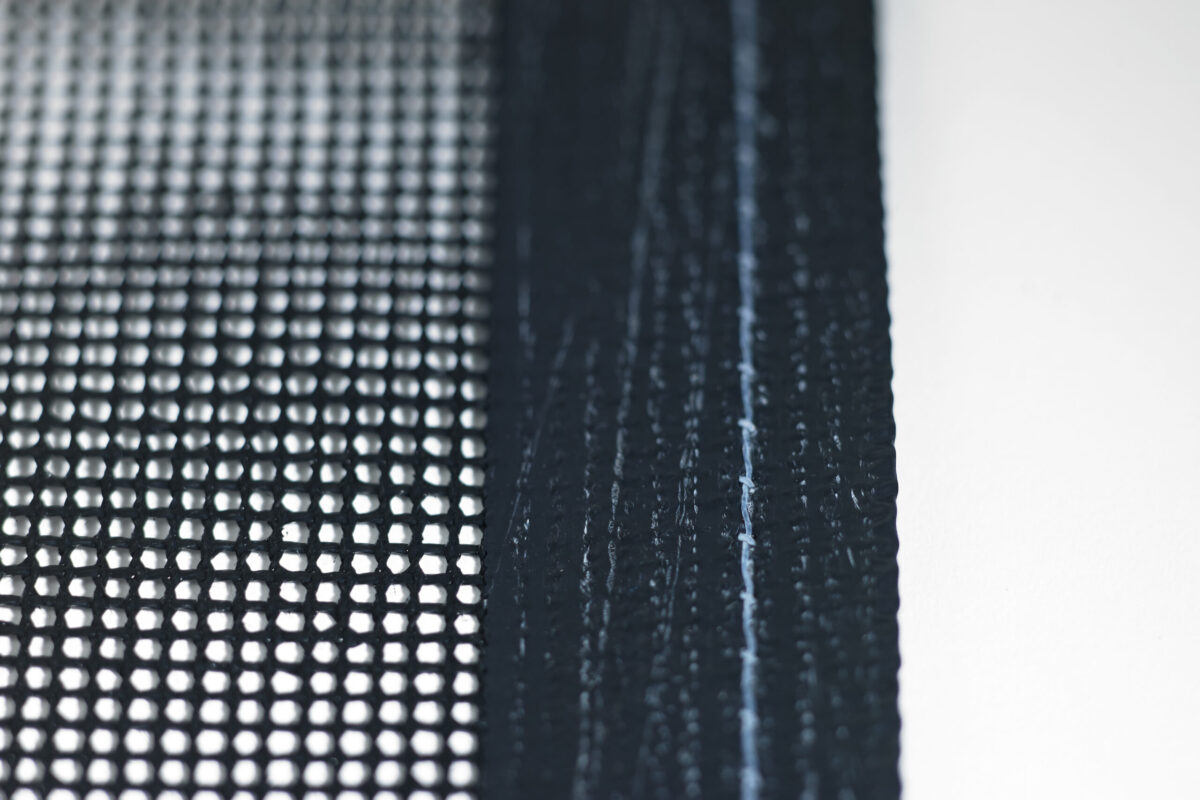
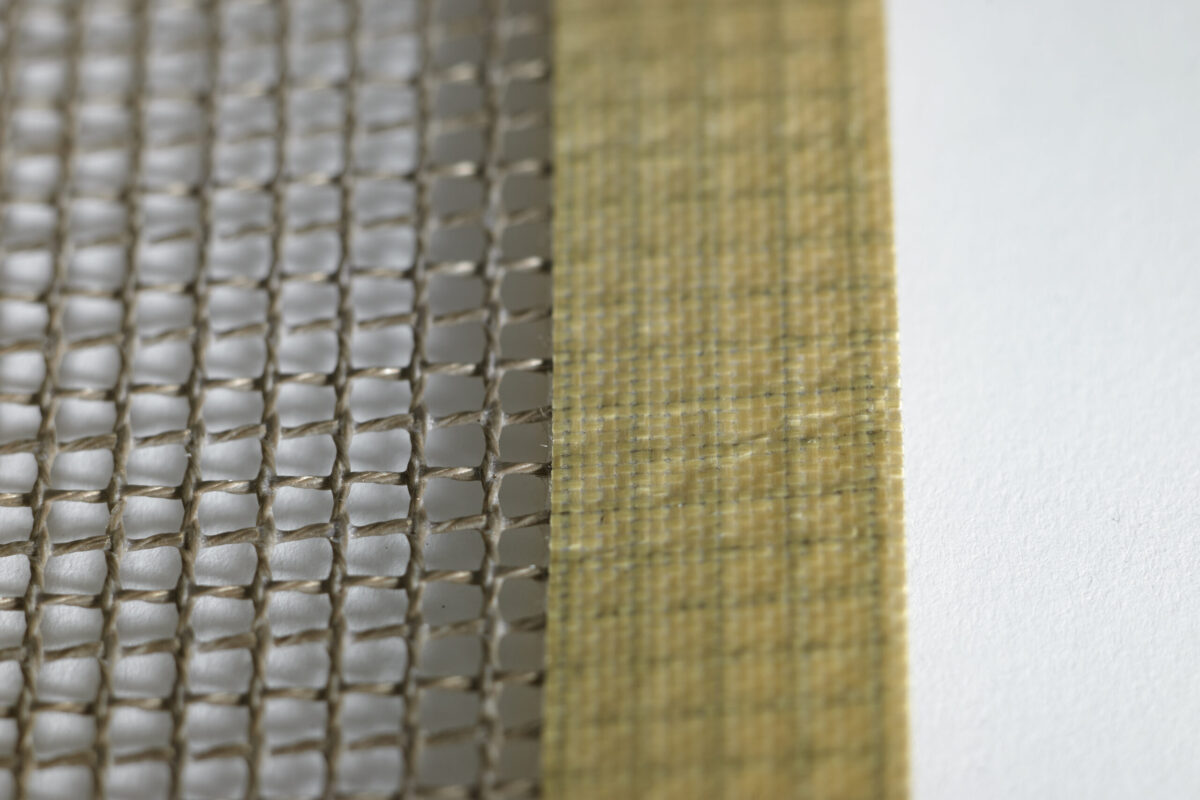
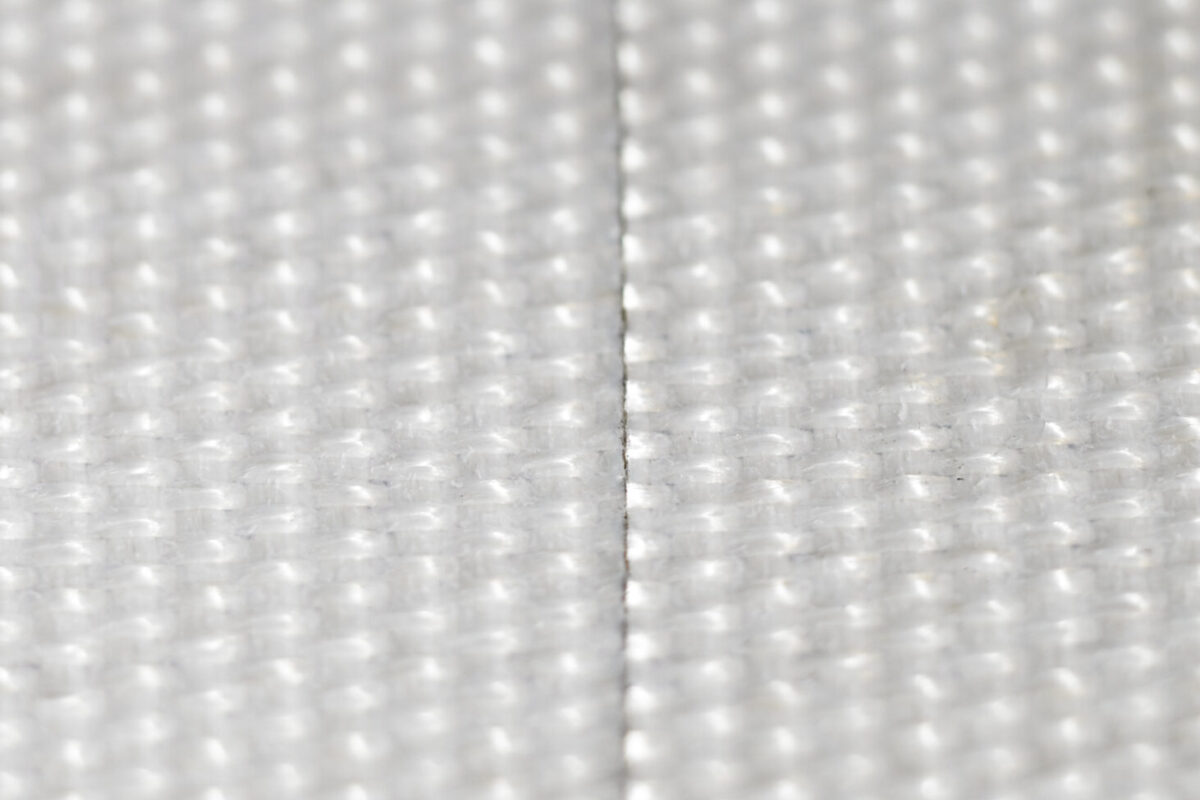
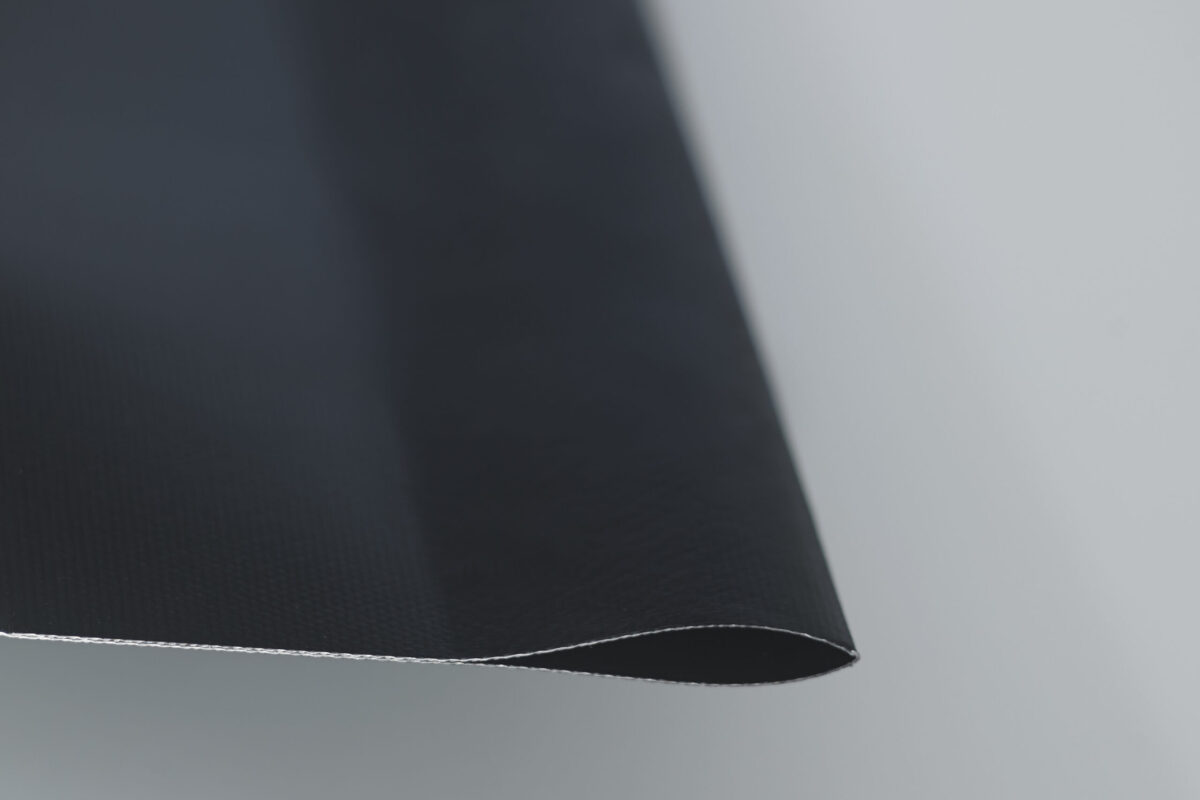
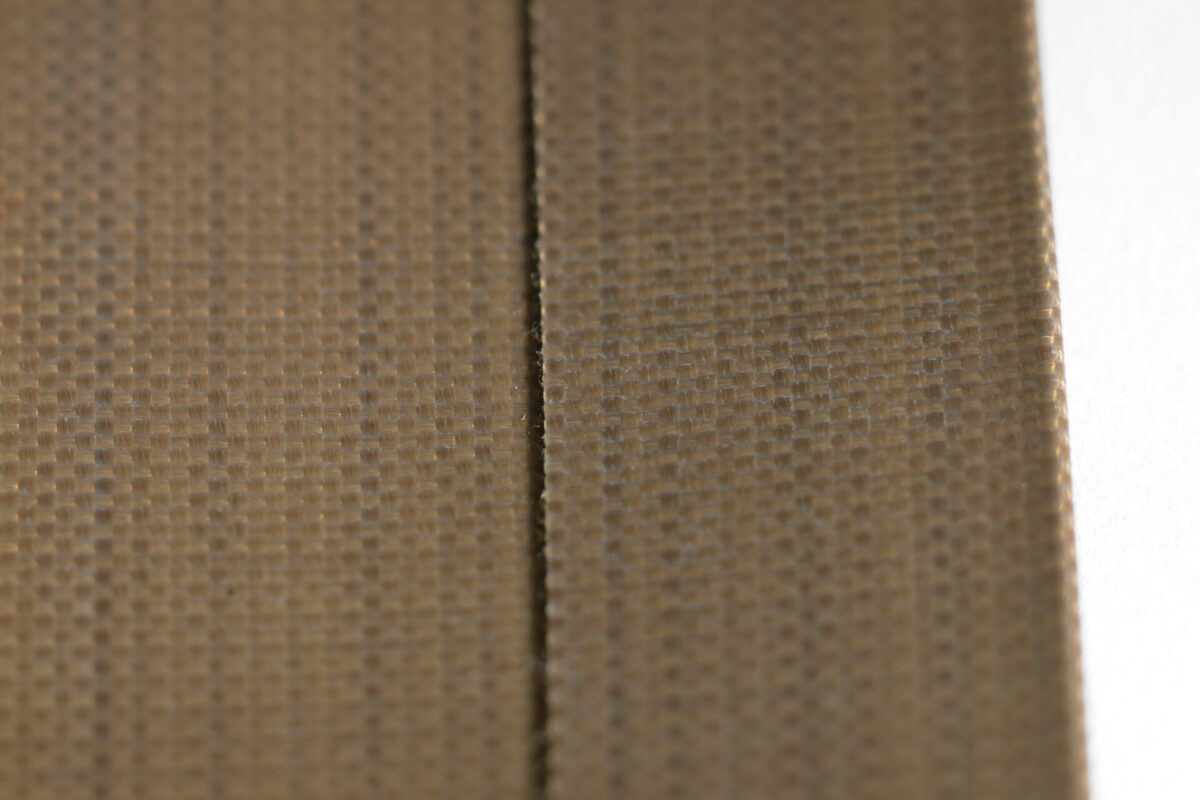
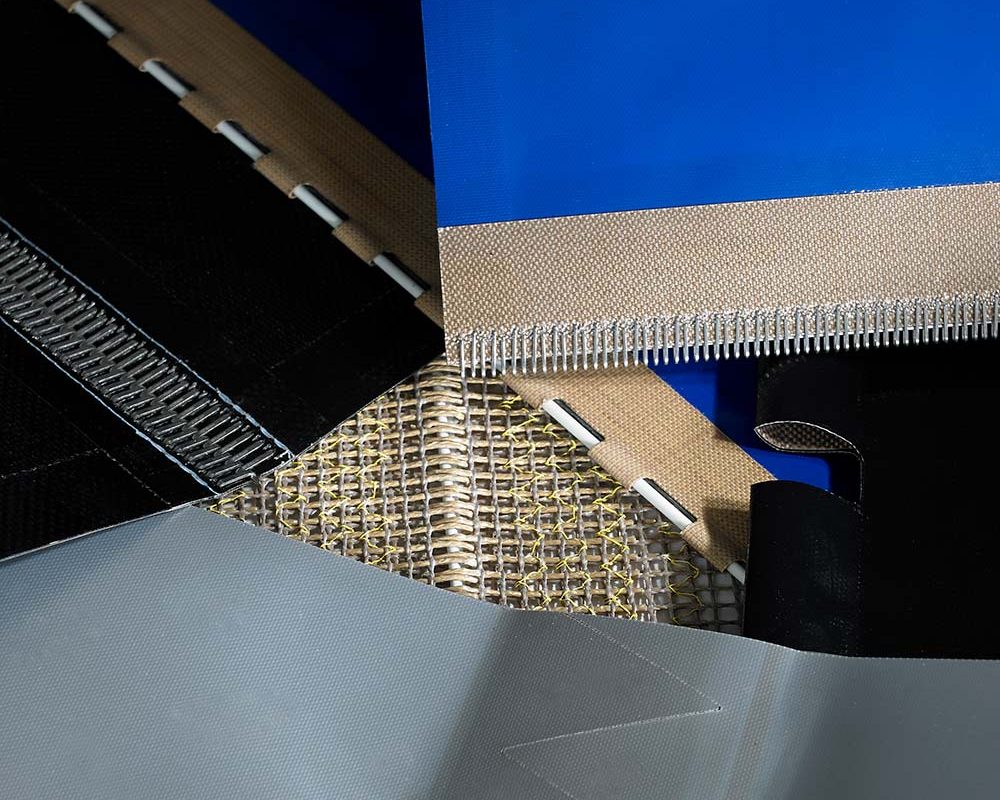
PTFE Coated Glass Fabrics and PTFE Coated Aramid Fabrics are both commonly used in industrial conveyor belts or as release sheets in many applications. While both materials are coated in PTFE, they have some performance differences, linked to the base fabric used in the coating process.
We try to explain these subtle differences in the information below, however our sales and technical teams are available to provide more detail advice and understanding , when you are selecting suitability of materials.
- Strength and Durability :
- Both PTFE Coated Glass and PTFE coated p-Aramid fabrics are known for their high strength and durability.
- PTFE Coated Glass fabrics, are more often utilised where dimensional stability is needed.
- PTFE Coated p-Aramid fabrics are considered to be more durable, especially in arduous conditions, where physical stresses can occur, and in heavy duty applications where there is significant wear and tear.
- Temperature Resistance :
- PTFE Coated Glass fabrics generally resist higher temperatures (continuous use up to 260°C (500°F) and depending on the specific grade of PTFE coating used, has a higher operating temperature for longer periods of time.
- PTFE Coated p-Aramid fabrics, not only offer excellent resistance to high temperatures, they also operate at much lower temperatures than PTFE Coated Glass fabrics, with a working temperature as low as -72°C (-100°F) making the material ideal for fast freezing or freeze drying applications
- Flexibility :
- PTFE Coated Glass Fabrics are known for their flexibility and conformability. Which is a benefit, for conveyor belts.
- PTFE coated p-Aramid fabrics are generally considered more flexible than glass fibre based PTFE coated fabrics, they have a higher flexural resistance, leading to a longer service life.
- PTFE Coated Glass Fabrics are known for their flexibility and conformability. Which is a benefit, for conveyor belts.
- Chemical Resistance :
- When considering material selection in a chemical environment there are other considerations that should be taken into account. Our sales and technical teams can help determine which is the most suitable solution in this situation
- Abrasion Resistance :
- The PTFE coating on both materials, provides an excellent level of protection and abrasion resistance, heavier coat weight materials are available where additional abrasion resistance can be achieved.
- p-Aramid is a highly durable material known for its exception tensile strength. It offers excellent resistance to wear and tear, making it well suited for heavy duty applications.
- Due to its superior strength to weight ratio, p-Aramid fabrics are often considered , leading to cost saving and improvments in productivity
- Resistance to Moisture and Humidity.
- The PTFE formulations in all of our fabrics, are engineered to resist moisture and water ingress.
- However in some circumstances, moisture can penetrate the outer layer of materials, in these applications we suggested that p-Aramid fabrics are considered , as p-Aramid itself is non-absorbent thus preventing the fabric becoming saturated or weakened by moisture.
The suitability of materials for your application can be difficult to assess. We have extensive experience to call upon, and our sales and technical teams are available to help and guide your choices.